


Hair Transplant in Iraq
A hair transplant is a medical procedure that moves hair follicles from a donor area to areas of thinning or baldness.
At Alshabender we use the FUE technique, and every case starts with a medical assessment of the cause of hair loss, the scalp and the donor area, because a transplant is not the right answer for every type of hair loss.
This page explains what to expect at each stage: assessment and preparation, the procedure steps, recovery, expected results, risks and aftercare.
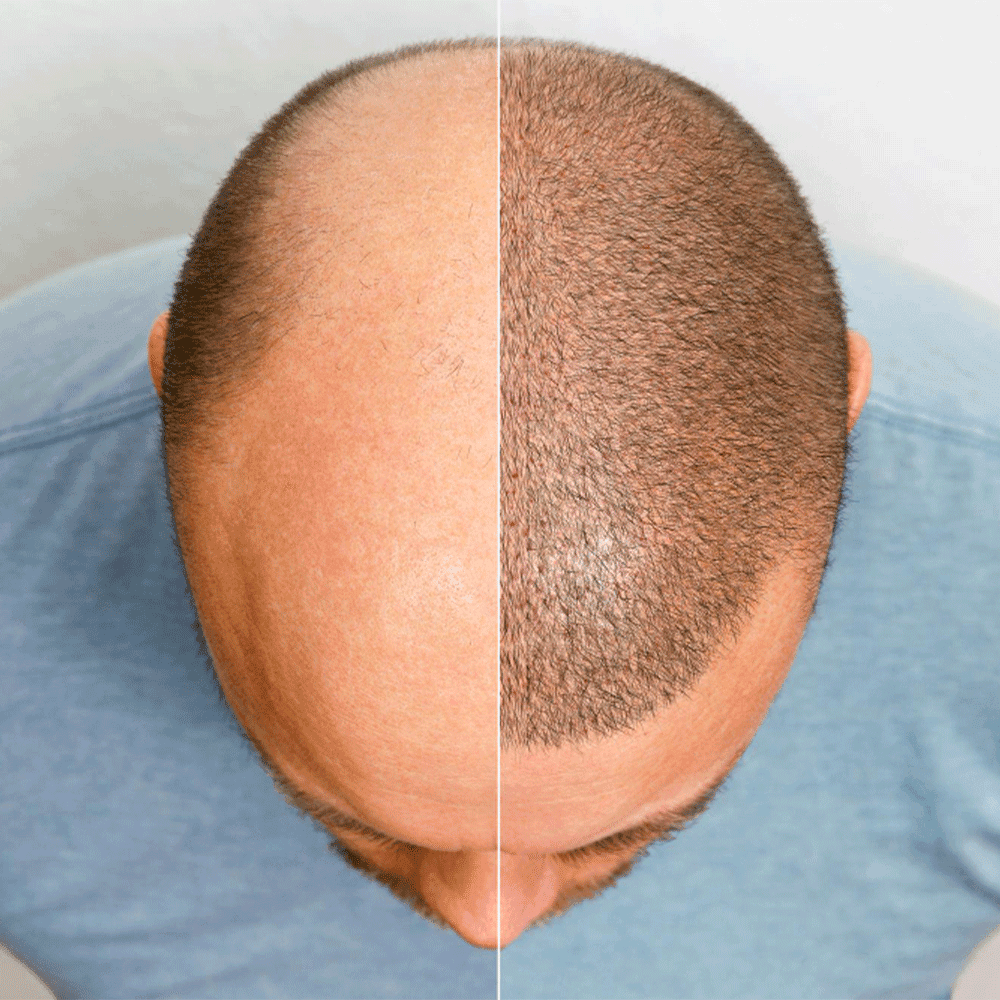
Assessing the Cause of Hair Loss
Before considering a transplant, the cause of hair loss must be identified. Some types of hair loss respond to treatment, and some are not suitable for surgery.
Common causes of hair loss include:
- Hereditary hair loss (pattern baldness) in men and women
- Temporary shedding after stress, illness, childbirth or rapid weight loss
- Thyroid disorders and hormonal changes
- Certain nutritional deficiencies
- Alopecia areata and some scalp conditions
- Repeated traction on the hair or the effect of certain medications
The assessment usually includes:
- Medical history, the pattern and duration of hair loss, and family history
- Examination of the scalp and hair density in different areas
- Evaluation of the donor area and follicle quality
- Laboratory tests when needed
Some cases need the cause of hair loss treated first. After the assessment, the doctor decides whether a transplant is a suitable option.
Are You a Good Candidate for a Hair Transplant?
Candidacy is decided after a medical examination and cannot be judged from photos alone.
A transplant may be suitable when:
- Hair loss is hereditary or localised and relatively stable
- The donor area has sufficient density
- General health is suitable for a procedure under local anaesthesia
- Expectations about density and results are realistic
It may not be suitable, or may need further assessment, when:
- Hair loss is active and unstable, or its cause is not yet known
- Alopecia areata is active or there is an active scalp condition
- The donor area is weak or insufficient
- There are health conditions or medications that need assessment first
A transplant can be an option for some women depending on the pattern and cause of hair loss, after a careful medical assessment.
The Donor Area
The donor area is usually the back and sides of the head, where follicles are generally less affected by hereditary hair loss.
The number of follicles that can be taken from the donor area is limited, so they are used carefully to keep the donor area itself looking natural and to preserve a reserve for the future if needed.
How many follicles can be moved in one session depends on donor density, hair thickness and the size of the area to be covered.
The FUE Technique
FUE (Follicular Unit Extraction) means extracting follicles as individual units from the donor area with a fine instrument, then implanting them in the target area.
The technique does not involve removing a strip of scalp, but the extraction sites may leave very small dots that are usually not visible once the hair grows. This can vary from person to person depending on skin type and healing.
What good procedure planning focuses on:
- A hairline designed to suit the face and age
- Placing follicles to follow the natural direction and angle of the hair
- Preserving the density of the donor area
Preparing for the Procedure
The medical team gives you written instructions before the procedure. The most important usually include:
- Telling the doctor about your medical history, current medications, allergies and any previous procedures
- Completing the laboratory tests the doctor requests
- Not stopping or starting any medication without consulting the doctor, especially blood thinners
- Avoiding smoking and alcohol before the procedure as instructed
- Having a light meal on the morning of the procedure and wearing a button-up shirt
- Following the centre's instructions on cutting or shaving the hair
Hair Transplant Procedure Steps
- 1
Consultation and examination
Assessing the cause of hair loss and the donor area, and discussing expectations and the right plan.
- 2
Hairline design
Drawing the hairline and defining the target areas and approximate number of follicles.
- 3
Local anaesthesia
Numbing the donor and recipient areas to reduce pain during the procedure.
- 4
Follicle extraction
Extracting follicles from the donor area with the FUE technique and preparing them for implantation.
- 5
Follicle implantation
Implanting the follicles in the target area, following hair direction and density.
- 6
Instructions and follow-up
Explaining aftercare instructions and scheduling follow-up visits.
The procedure usually takes several hours depending on the number of follicles and the case, with rest breaks during the day.
Recovery After a Hair Transplant
Recovery varies from person to person. This is an approximate timeline of what may happen:
First days
Redness and mild swelling that may reach the forehead, small crusts in the transplanted area, and some discomfort in the donor area.
Weeks 1–2
The crusts gradually fall off, and many patients return to normal work depending on the type of work and the doctor's instructions.
Weeks 2–8
Some of the transplanted hair may shed. This is an expected, temporary shedding while the follicles stay in place.
Months 3–4
New hair gradually starts to grow and may be fine and thin at first.
Months 6–9
A noticeable improvement in density and texture.
Months 12–18
The final result becomes clear in most cases.
Expected Results
A hair transplant aims to improve density and the appearance of the hairline naturally. The result depends on donor density, hair type and thickness, the size of the area to be covered, and following aftercare instructions.
Follicles moved from the donor area are usually less affected by hereditary hair loss, but untreated native hair may continue to thin over time, so the doctor discusses a long-term follow-up plan with you.
Some cases with large bald areas may need more than one session, and no specific density or result can be guaranteed for any medical procedure.
See hair transplant resultsPossible Risks and Side Effects
As with any medical procedure, a hair transplant may have side effects, most of which are temporary:
- Temporary swelling of the forehead or around the eyes
- Redness, crusting and itching in the transplanted area
- Discomfort or pain in the donor or recipient area after the procedure
- Temporary numbness of the scalp
- Minor bleeding
- Folliculitis or infection, which is uncommon
- Temporary shedding of some native hair around the transplanted area
- Lower-than-expected density or uneven growth
- Small dots or scars in the donor area
Contact the centre immediately if you notice severe pain, increasing redness, discharge or a fever.
Aftercare Following a Hair Transplant
- Do not touch or scratch the transplanted area or pick off the crusts
- Sleep with your head raised during the first days as instructed
- Wash your hair in the way and at the time the doctor specifies
- Avoid direct sun and tight hats for the period the doctor specifies
- Avoid strenuous exercise, swimming and saunas for the period the doctor specifies
- Avoid smoking, as it may affect skin healing
- Take only the prescribed medications and attend follow-up visits
Aftercare instructions are given in writing after the procedure and should be followed exactly, as they may differ from case to case.
Hair Transplant FAQs
This is decided after a medical examination, based on the cause of hair loss and how stable it is, donor density, general health and your expectations from the procedure.
FUE means extracting hair follicles individually from the donor area with a fine instrument, then implanting them in the target area, without removing a strip of scalp.
The procedure is performed under local anaesthesia to reduce pain during it. Some patients feel discomfort or pain afterwards, which can be managed according to the doctor's instructions.
The extraction sites may leave very small dots in the donor area that are usually not visible once the hair grows. This can vary from person to person depending on skin type and healing.
The procedure usually takes several hours, depending on the number of follicles to be moved and the case.
New hair usually starts growing after 3–4 months, a noticeable improvement appears between 6 and 9 months, and the final result usually becomes clear between 12 and 18 months.
Yes. Some transplanted hair may shed in the first weeks. This is an expected, temporary shedding; the follicles stay in place and new growth starts later.
Many patients return to work within a few days to two weeks, depending on the type of work, recovery and the doctor's instructions.
Follicles taken from the donor area are usually less affected by hereditary hair loss, but untreated native hair may continue to thin over time, and no specific result can be guaranteed.
It may be suitable for some women depending on the pattern and cause of hair loss and the donor area, which is decided after a careful medical assessment.
Book a Hair Transplant Consultation at Alshabender
Book a consultation to assess the cause of your hair loss and your donor area, and find out whether an FUE hair transplant is suitable for you. Please confirm which branch offers the service and its availability when booking.